Michael Herr: The Weight We Carry Up the Wall
Episode Overview
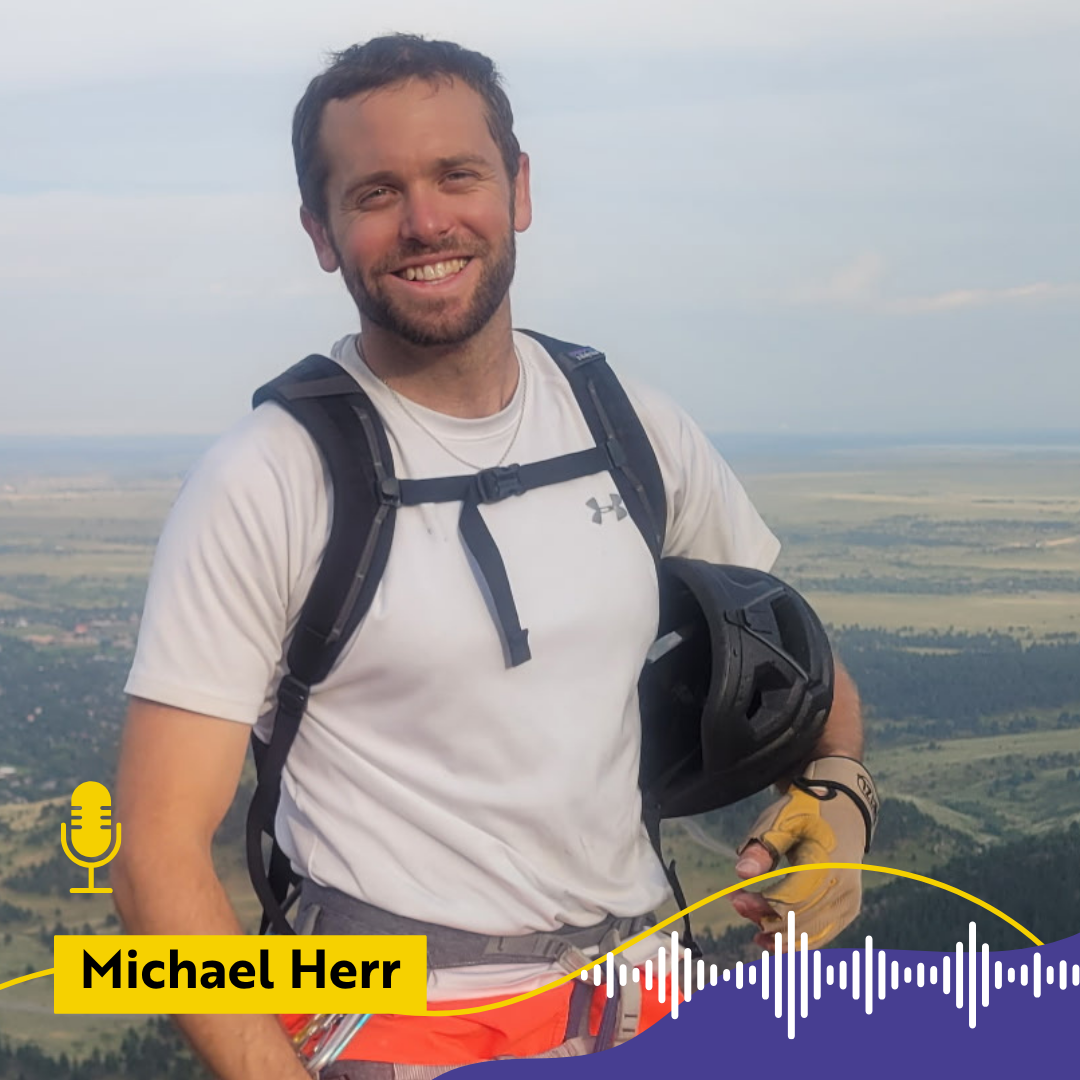
In this episode, therapist and climber Michael Herr talks about what actually drove fifteen years of climbing and a decade of boxing — and what happened when he watched a climbing partner nearly die and his body simply refused to climb again. Drawing on his book The Shadow of the Climber, Michael traces how shame and the need to prove something can power real athletic achievement, right up until the moment the body stops going along with it.
What We Cover
How fifteen years of climbing and an earlier decade of boxing were both, in Michael's words, about controlling his inner world through activities with real danger attached
The witnessed climbing accident that left him unable to watch people lead climb, unable to go near ropes, unable to be in the mountains — a full-body trauma response, not a decision
Why achievement can run on shame and a sense of inadequacy as much as on love of the sport, and what it feels like to reach a goal and not get "the stamp" — the cup with a hole in the bottom
The difference between movement as avoidance and movement as arrival, and how presence and avoidance can live in the same body on the same route
A boxing daydream Michael carried for decades — walking to the ring, facing a "monster" — and what happened when he finally stepped into an actual ring at 34
Moving from cognitive behavioral therapy to depth psychology in his own clinical work, and what that shift cost his sense of professional identity
The idea of the "golden shadow" — what the people and pro athletes we admire are pointing us toward in ourselves
Where Michael's relationship with climbing stands now: mostly on pause, sport climbing over alpine routes, and giving himself permission to move because he wants to, not because something in him is compelling it
Resources & Links
The Shadow of the Climber: The Psychology of Extreme Sports — Michael's book
Carl Jung — psychiatrist referenced for the original concept of the shadow
Peter Croft — climbing legend Michael interviewed for the book, known for early hard solos in Yosemite
Dean Potter — free solo and BASE-jumping climber referenced in the book, who died in a wingsuit accident
Tommy Caldwell — referenced for a line on using climbing as distraction from feeling
Rocky Mountain National Park / Longs Peak "The Diamond" — the Colorado alpine climbing Michael describes as the icon of the region
About the Guest
Michael Herr is a therapist and climber, and the author of The Shadow of the Climber: The Psychology of Extreme Sports. Trained originally as a cognitive behavioral therapist, his own clinical path moved toward depth psychology as he began to recognize how much of his climbing — and before that, ten to fifteen years of boxing — was shaped by forces he wasn't fully conscious of. He has spent roughly fifteen years climbing in and around Boulder, Colorado, with Rocky Mountain National Park as home ground. The Shadow of the Climber draws on his own climbing history, his clinical training, and interviews with figures in the climbing world to look at what pulls people toward extreme sports — and what those sports can end up covering for.
Call to Action
Subscribe to Movement Is My Constant wherever you listen. And if this episode landed somewhere, share it with someone who's chasing a summit, a fight, or a personal record and has never quite asked themselves why the bar keeps moving.
For more at the intersection of movement, the body, and what's underneath it, join the newsletter at movementismyconstant.com/newsletter.
🎙️ More Episodes: movementismyconstant.com
📱 Follow on Instagram: @movementismyconstant
Listen to full episode :