Midlife Recalibration: Redefining Women's Health with Raquel Devillé
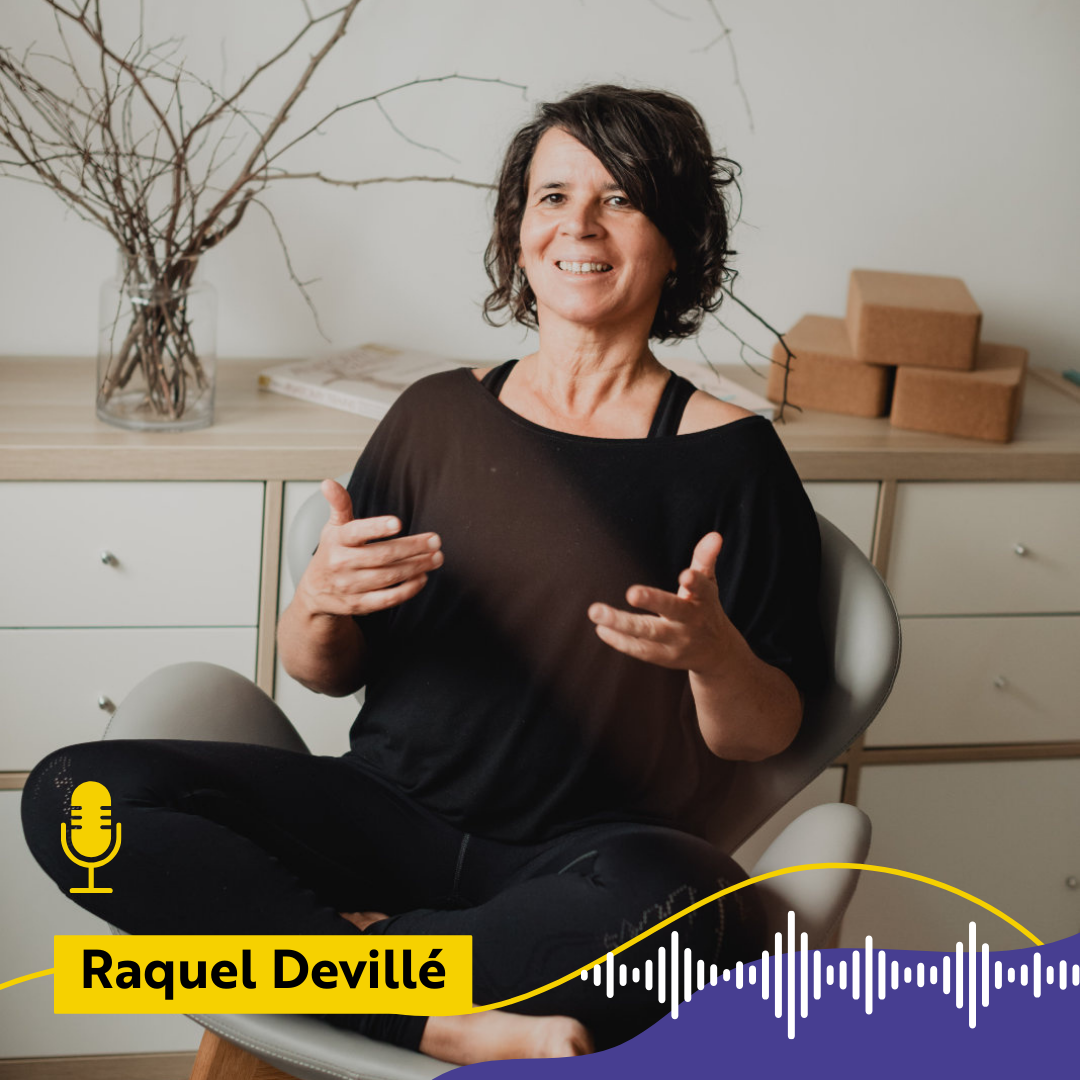
Episode overview
In this enlightening episode, Raquel Devillé delves into the transformative phase of midlife, redefining it as a period of recalibration rather than decline. Raquel emphasizes the importance of viewing bodily changes as a form of intelligence and recalibration, rather than mere symptoms.
The conversation explores the role of somatic listening, which involves tuning into the body's signals to better understand and support women in their 40s and beyond. Raquel discusses how hormonal regulation acts as a communication system, often impacted by stress and trauma, and highlights the difference between adaptive responses and dysfunction, including neurodivergence and trauma responses. Practical somatic approaches such as Trauma Release Exercises (TRE), somatic experiencing, and brain spotting are introduced as effective methods for trauma and stress release. The episode also touches on the impact of chronic sitting, ergonomics, and movement variability on health, and reframes menopause as a period of freedom and self-discovery.
Raquel advocates for building trusting relationships with healthcare providers and embracing holistic medicine to navigate these changes with resilience and curiosity.
Resources & key concepts
1. Trauma Release Exercises (TRE)
2. Somatic Experiencing
3. Brain Spotting
4. Dr. Mindy Peltz — Book about hormonal shifts (search for her latest titles)
5. Raquel Devillé's Website (in French)
What we cover
Midlife as a reframing of decline: viewing bodily changes as intelligence and recalibration
The role of somatic listening in understanding and supporting women in their 40s and beyond
Hormonal regulation as a communication system, impacted by stress and trauma
Adaptive responses versus dysfunction, including neurodivergence and trauma responses
Practical somatic approaches: TRE, somatic experiencing, and brain spotting for trauma and stress release
The impact of chronic sitting, ergonomics, and movement variability on health
Menopause as a period of freedom and self-discovery, not just decline
Building trusting relationships with healthcare providers and embracing holistic medicine
About the guest
Raquel Devillé, helps exhausted women remember how to listen and connect to their bodies. She works with sensitive, neurodivergent women between 45 and 60, highly sensitive, ADHD, autistic, who've spent their entire lives masking and over-adapting.
Using somatic approaches: TRE®, Somatic Experiencing, Brainspotting, trauma-sensitive yoga, Raquel helps them dismantle the adaptations that no longer serve them.
Call to action
Subscribe to Movement Is My Constant wherever you listen. And if this episode sparked something, share it—with someone who could use a bit more self-worth in their life.
For more at the intersection of movement, health, and systems change, join the newsletter at movementismyconstant.com/newsletter.
🎙️ More Episodes: movementismyconstant.com
📱 Follow on Instagram: @movementismyconstant
Listen to full episode :